Predator-Prey Relationships
Predator-prey Relationships help determine the dependency of two species on one another. Predator-prey relationships not only list who is eating whom, but also describe what happens to one species if the other were to leave or go extinct. Below are two predator prey relationships specific to Kruger National Park: Lions & Zebras and Leopards & Impalas. All data from these two relationships came from a study that took place between February 1966 and January 1968.
Lion vs Zebra
|
Statistical Data
|
Analyzing the Relationship
Zebras breed year round, so that does not explain why more infants and juveniles are killed in certain months than in others. Because lions are the predators for many species, zebras included, the populations of these species would dramatically increase if lions were to go extinct. Conversely, if zebras were to go extinct, the effect on lions would not be as detrimental because although zebras make up a decent part of a lion's diet, lions have a large range of prey so they still have many other sources of food.
|
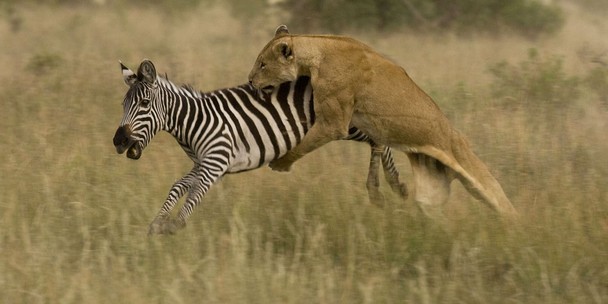
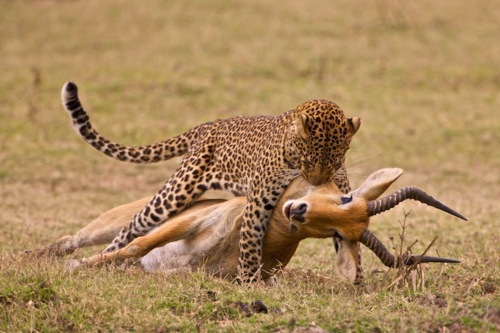
Photo Sources:
Left - http://travel.nationalgeographic.com/travel/traveler-magazine/photo-contest/2011/entries/65522/view/
Right - http://animalstime.com/what-leopards-eat-leopards-diet/
Left - http://travel.nationalgeographic.com/travel/traveler-magazine/photo-contest/2011/entries/65522/view/
Right - http://animalstime.com/what-leopards-eat-leopards-diet/
Leopard vs Impala
|
Statistical Data
|
Analyzing the Relationship
The breeding season for impalas is between March and May, which may explain why the February through April time period had a significantly higher proportion of infant kills than other times of the year. If leopards went extinct in Kruger National Park, impala populations would increase a bit, but impalas have many other predators that contribute to population control. However, if impalas went extinct, leopard populations would greatly suffer because impalas serve as a main source of food for the leopard.
|
